Ah, um, er, let’s see. Uh it’s like this. Okay. Well kind of. You know. What I mean is. Right. These are all guttural clutter or filler words and phrases that litter our everyday speech. They form a part of our unique ‘language personality’. We all have our subconscious favourites and probably use them a lot more than we realise, but why do we say them, what do they mean and do they have a role in a presentation?
At the simplest level we often use Umms, Ahhs and other filler words to give us time to think about what we want to say next. It gives us a second to gather our thoughts or perhaps indicate that we haven’t quite finished a sentence. But there are also other, more subconscious triggers that can lead us to use them.
Reasons why we use filler words.
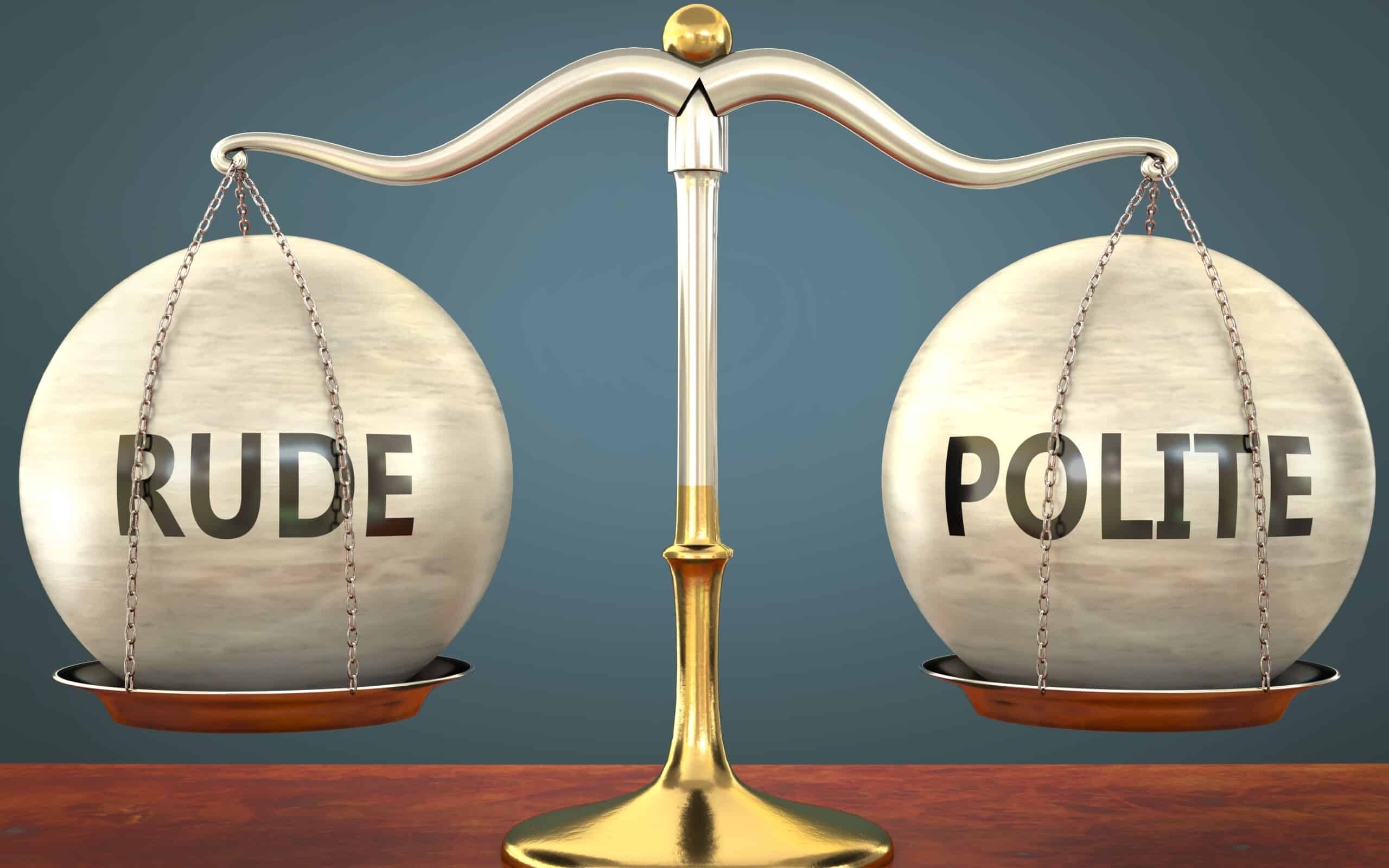
- Politeness. Michael Handford, a professor of applied linguistics and English language at Cardiff University, concludes that people often use these words to be polite and they play an important, functional part of basic politeness. He says “If you invite somebody to a party and they say no without any of those markers they will appear rude. If they say ‘Um, well, you know, sorry’ it makes it much more polite.”
- Digestion. If we are trying to communicate a complex idea, we often use filler words to give the listener more time to process the information, to digest it, and to catch up with what we are saying.
- Deception. According to ex FBI agent, Dr. John R. Schafer, Professor at Western Illinois University, these little words can also signal deception. He says that in his experience, tag words such as “You know,” “I mean,” and “Right” are used to seek confirmation from the listener. Fascinatingly, he says “Truthful people convey information and seek confirmation from listeners,” whereas “Liars try to convince others that what is being said is true.” And filler words are one way of the speaker seeking signals of approval, whether they’re telling the truth or lying! It’s a subtle difference but one to think about if you have a tendency to overuse fillers and these kind of tag words in your vocabulary.
- Connection. Probably the most common reason we use filler words is to try and connect the thoughts in our head that otherwise might appear random or disparate. It happens automatically during our conversations, which of course are not generally rehearsed. However, the inclusion of too many Umms, Ahhs or other filler words during a presentation can actually undermine the credibility of the presenter, giving the impression they are making things up, or don’t really know what they’re talking about. It’s a quick way to erode the engagement of the audience.

But let’s have a reality check. Very few people are so eloquent that they never use Ers, Uhs, Likes and other filler words in everyday communication. In fact, if we don’t include any of these verbal tics, we would probably sound somewhat cold and robotic. In a presentation setting, however, filler words and phrases generally don’t add anything. The odd one here and there is fine and if used properly can even add impact (we’ll come on to this later) but overusing these meaningless words or sounds can make us appear unconfident, unprepared and nervous. Not only that but they will distract the audience – like earworms, people begin to notice them ever more often – and therefore they get in the way of us getting our message across. And, even worse, they can cause listener frustration and annoyance.
In order to reduce your verbal clutter and filler words it’s important to first understand when and why we personally use them.
How to reduce your filler words?
At SecondNature, when we are coaching and training, we never count people’s Umms and Ahhs. We always say that a small amount of verbal clutter can be ok, as long as it doesn’t distract the audience, dilute the message and detract from our ability to sound confident and comfortable. Indeed, when presenting, if there is no verbal clutter whatsoever there is the potential that we’ll sound overly scripted, over rehearsed, and inauthentic.
However, if you think you may use too many filler words, here are some of the areas we analyse. You might find these useful too:
What are the triggers?
Firstly, try to understand what triggers you to use filler words. Is it silence? For example, at the start of a presentation when people are settling down? Or when you transition from one slide to another. If this is the case, we coach presenters to feel comfortable to pause and to own the silence, rather than trying to fill it with meaningless noise.
Another common trigger for Umms and Ahhs is between bullet points. The solution here is to thread the points together so they tell a story. This flow will remove the need for connecting fillers.

For some people the trigger is when they start to answer a question. You’ll often hear people start their answer with fillers like Emmm, or You Know, or What I mean is. To stop doing this, we advise people to first pause and then to kick off their answer with a short validation sentence that acknowledges the question. Examples include:
- “That’s a question I asked myself”
- “That’s a question a lot of people have asked us recently”
- “I’m not surprised you’re asking that given …”
- “I think the point you’re making is a good one”
This technique gives the presenter time to gather their thoughts and should help them to reduce the filler words.
The good news is that once you start to recognise the triggers you can pre-empt the trigger and break your guttural clutter habits.
When does it happen?
- The start of sentences
The other, and very important, thing is to analyse when they’re occurring. Are they at the start of sentences? If so, we coach people to always try and get into the habit of starting their sentences with an actual word (rather than a filler word) – and, importantly, not to start the sentence until they know what this word will be. - Between sentences
If the Umms take place between sentences, then our coaching focus is on getting people to pause between the sentences instead of using filler words. - In the middle of sentences
The hardest Umms are those that occur in the middle of sentences, in the place of commas. This can be a very common speech pattern amongst certain cultures. One way of reducing this tendency is to coach people to speak in shorter, punchier sentences. This reduces the ‘commas’ and hence the tendency to Umm.
What filler words or phrases do you regularly use?
If you can’t think of them straight away then ask someone who knows you well. We all have a signature phrase (mine is ‘Here’s the thing’) and our friends and colleagues will probably be more aware of them than we are. Once you know what they are you can work towards reducing them during your presentation.
Slow down and learn to pause.
Nervous presenters often speak more quickly than they would in a normal conversation. And nerves can lead to an overuse of filler words. As a rule of thumb, we suggest presenters speak at half pace for the first 60-90 seconds of their presentation. This helps people settle into a natural speaking rhythm, a conversational speaking rhythm, which will in turn reduce the tendency to Umm and Ahh. At SecondNature we also coach people how to deliberately pause between chapters of their presentation story, before and after landing key messages, when switching positions in the room, and particularly when answering questions. These pauses help our voice and speaking rhythm to reset or re-calibrate, and the presenter to get ‘back in the moment’. This will significantly reduce the urge to use fillers. And of course, pausing in this way will add significant composure, impact and gravitas to the presenter’s style
Rehearse.
Sounds obvious. But rehearsing is not just about knowing your content and what slide comes next. It’s also about what you say (that isn’t on the slide), how you say it, and what other tools you can use such as gestures, and the attention triangle to add impact to your narrative. The best way to do this is to record your rehearsal – it might be hard to watch, but it really is one of the best ways to improve your performance and reduce your verbal clutter and filler words.

Using intentional filler words and phrases.
It is possible to have a small repertoire of filler words or phrases that you can use, when delivered after a pause, and in combination with a gesture, that can add impact.
Imagine two scenarios’, the first presenter is standing uneasily, hands by their side awkwardly. The first word they say is ‘So’. The second presenter is standing in a relaxed but confident manner, hands above the waist. After a brief pause, a slight change of position and with the hands in a steepled gesture their first word is ‘So’. Which one would you find more engaging, impactful, confident, positive…?
Another good exercise is to make is list of what we call Siren Words, and try to start using them in your everyday, general conversation so that they become second nature and gradually replace the use of Umms and Ahhhs. Siren Words can help validate a message e.g. ‘Believe me’, ‘What this means is’, ‘As you can see.’ And other Siren Words help to emphasis a message e.g. ‘The bottom line is that’, ‘What this boils down to is’, ‘The key point is that.’
You’ll be surprised at how quickly, with a little thought and practice, you can reduce your verbal clutter and become a more confident sounding and persuasive communicator.
Tailored and personalised presentation skills training
If you’re looking to build the presentation skills of your team (or yourself) through personalised training or coaching that is tailored to your business, we can help.
For nearly 20 years we have been the Business Presentation Skills Experts, training & coaching thousands of people in an A-Z of global blue-chip organisations – check out what they say about our programs.
To find out more, click on one of the buttons below: