

If we think about the current corporate landscape versus, say, a decade ago, the evolution of social, technical and economic factors means that the leadership skills required in today’s business world have changed significantly.
There is greater focus on diversity, inclusion and the mental well-being of employees, so leaders must be able to demonstrate emotional intelligence, promote equity and diverse voices, foster an empathetic culture and manage the well-being of staff alongside delivering against corporate goals.
Leaders also need to be far more tech-savvy. Fast-developing AI data analytic tools need to be understood and leveraged to drive strategic decisions, and the ability to adapt quickly to market changes requires an entirely new level of business agility.
If we combine these factors with the need for the integration of social responsibility, sustainability and ethical policies, new hybrid working models, and a shift from shareholder information to stakeholder engagement, then it becomes evident that we need to create a new breed of Super Leaders that can effectively inspire, motivate and engage with a wide range of audiences in different styles across a range of business settings; from interpersonal relationships right through to large audience platforms.
It’s no longer just about delivering information. It’s about being a persuasive, inspirational, charismatic and engaging communicator and presenter. In a world where change is the only constant, the ability to communicate effectively is without doubt, the hallmark of a great leader.
In this blog, we’ll delve into the essential skills that today’s leaders need to transform their communication styles. We’ll uncover how specialised coaching can unlock leadership potential, ultimately driving not just personal growth but also profound organisational success. And the good news is that these skills and techniques can be taught. Even the most confident and experienced presenters can significantly ‘up their game’ with specialised coaching programmes.

The Evolving Nature of Leadership Communication
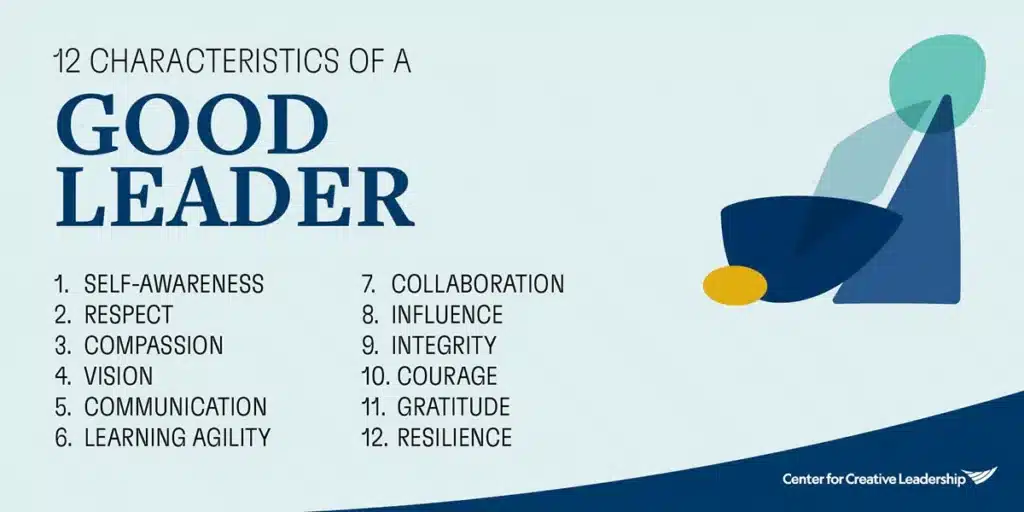
The Centre for Creative Leadership has recently published its research on the twelve essential qualities of good leadership, and not surprisingly, Communication, Influence and Collaboration feature as three of the twelve indispensable skills.
Effective communication and presentation skills enable leaders to connect, inspire, and guide their teams toward success. Here are just a few reasons why leaders need to possess these skills:
- The ability to articulate their vision and objectives with clarity so that all teams are working towards to same goals.
- To build trust among all stakeholders with an open and transparent communication style.
- To ensure employees feel valued in order to foster a collaborative culture with continuous improvement.
- To navigate and resolve conflicts and misunderstandings, quickly identify common ground, and provide clear direction.
- To tailor different messages to a wide and diverse range of audiences.
- To influence audiences to ensure positive outcomes.
And it’s not just outstanding in-person communication skills that are required. Because virtual meetings and hybrid working environments are now the norm, the ability to connect, engage, and influence remote audiences through different formats is also a critical skill.
Core Skills for Transformative Leadership Presentations
Traditional presentation methods – such as an over-reliance on scripted speeches or text-heavy slides – more often than not result in disengaged audiences. How many times have you sat through a presentation and found it difficult to concentrate and your mind wandering? This old-school approach often stifles effective communication and leaves critical messages lost in a sea of bullet points.
According to Poll Everywhere it wasn’t that long ago that 35 million PowerPoint presentations were given each day by an estimated 500 million users worldwide with an average of 40 words per slide! Yawn!
Thank goodness presentation software, including PowerPoint, has come a long way since then.
Modern leaders need to be able to craft compelling stories and engaging narratives, simplify complex data by making it meaningful, and evoke emotional responses to inspire action. Impactful presentations go beyond logic and reason; they tap into people’s emotions. Let’s dive into these areas in a bit more detail.
Why It Matters
Effective leaders use storytelling to communicate complex ideas in relatable, memorable ways. Stories humanise data, and frame challenges and opportunities in ways that resonate deeply with audiences.
How to Do It
- Structure your presentations around a compelling narrative arc: introduction, conflict or challenge, and resolution.
- Incorporate real-life examples, anecdotes, and metaphors to make your message relatable and memorable.
Why It Matters
Data is essential for informed decision-making, but raw numbers alone won’t influence your audience. Leaders must craft data into narratives that demonstrate insights and drive action.
How to Do It
- Present data in a way that tells a story. Instead of overwhelming the audience with statistics, highlight key insights and their real-world implications.
- Use visuals such charts, graphs, and infographics to simplify complex data and to make it meaningful for the audience.
Emotional Intelligence
Why It Matters
Leaders with high emotional intelligence can read the room, respond to audience cues, and create authentic connections. This adaptability fosters engagement and trust.
How to Develop It
- Be mindful of non-verbal communication—both yours and your audience’s.
- Practice empathy: tailor your presentation to address the concerns and values of your listeners.
- Build rapport by showing vulnerability when appropriate to increase trust.

Adapting Presentation Styles for Different Audiences
A one-size-fits-all approach is ineffective for diverse audiences. Leaders
must adapt their messaging, tone, and delivery to meet varying expectations.
Tailoring content for audiences with different needs and backgrounds ensures that the message resonates more deeply, increases engagement, and can lead to greater trust, increased credibility and provide a competitive advantage.
For example, when presenting to other leaders the focus should be on high-level strategies and risks. For technical teams detailed data might be included that is linked to broader organisational goals. And for stakeholders, the emphasis would be on vision, values and tangible outcomes.
There are also a host of non-verbal delivery techniques that can be mastered to create punctuation and suspense, add impact, evoke empathy and win over even the most difficult audiences. Body language, gestures, moving with purpose, pausing, eye contact, pace, pitch and tone of voice are all incredibly powerful tools when used in the right way.
The Role of Tailored Presentation Skills Coaching for Leaders
Off-the-shelf programs may teach the basics, but they fail to address the nuances of leadership communication in a corporate setting. Tailored coaching offers a personalised approach that aligns with each leader’s role, industry, and specific corporate challenges with career-changing results and an elevated professional reputation.

What to Expect from Customised Coaching for Leaders
- Highly individualised, personality-centric, feedback on people’s presentation style, content, structure, and delivery.
- Practise on real-world presentation sessions tailored to scenarios like board presentations, investor meetings, or large-scale company addresses.
- Provide leaders with the skills they need to pivot quickly between informal and formal settings, from boardroom briefings to global town halls.
Here are some of the benefits experienced by blue-chip corporations that have invested in leadership presentation skills training:
IBM: IBM’s leadership programme focussed on improving the presentation skills of its senior executives. Coaching underscored techniques for creating engaging communication using storytelling techniques. After training, leaders reported an increase in confidence and effectiveness when delivering key messages during conferences and client meetings, which in turn led to increased client satisfaction and business growth.
Deloitte: Deloitte invested in presentation skills training for their consultants and subsequently studied the impact on performance. They identified that the consultants’ abilities to simplify and convey complex ideas clearly and persuasively improved. This in turn led to an increase in collaboration and ideas sharing within teams which had a positive impact on client relationships and project outcomes.
Procter & Gamble: As part of a wider programme P&G integrated leadership presentation skills training into their management development programme. Coaching included ways to help leaders refine messages and utilise audience engagement techniques. After training, personnel assessments evidenced a significant increase in communication effectiveness both in internal meetings and public presentations. Project outcomes also improved and contributed to a stronger brand image.
In the complex corporate landscape, the ability to communicate effectively is no longer just an advantage; it is essential for successful leadership. Leaders must not only convey information but also inspire and engage their teams and stakeholders. Mastering transformative presentation skills equips leaders to tell compelling stories, evoke emotional responses, and foster genuine connections with diverse audiences.
The journey toward becoming a more effective communicator begins with an understanding that presentation skills extend beyond mere content.
Tailored training can lead to remarkable transformations in engagement, confidence, and collaboration. By honing these skills, leaders can drive strategic outcomes, build trust, and cultivate an environment ripe for innovation.
Get in touch with us today and take the first step toward elevating your leadership team’s communication skills and help them to speak with gravitas.
For nearly 20 years we have been the Business Presentation Skills Experts, training & coaching thousands of people in an A-Z of global blue-chip organisations – check out what they say about our programmes.