
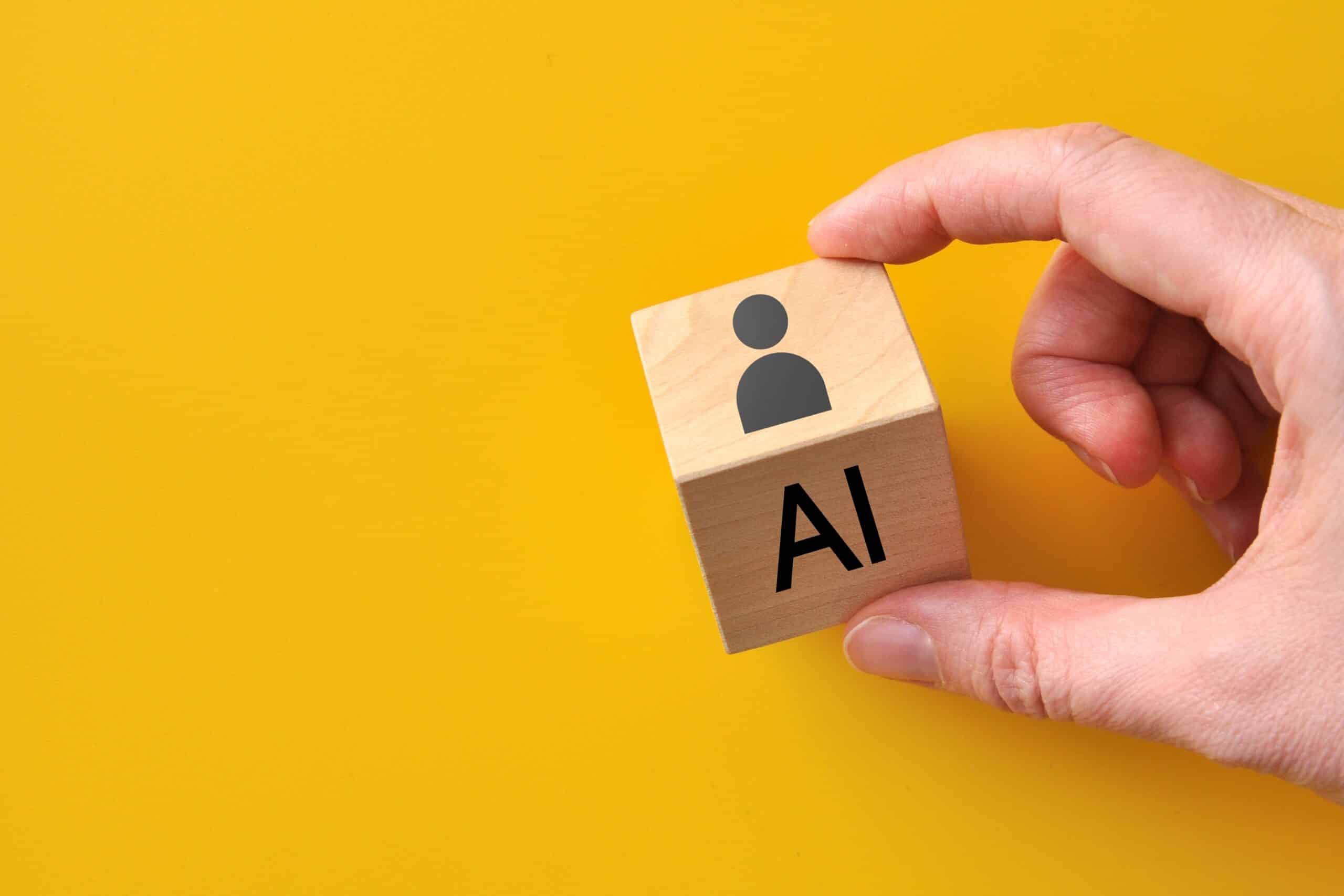
The Skills Balance Has Changed
Artificial intelligence is transforming the way organisations work. Businesses across every sector are investing in AI, automation, and digital technologies to improve efficiency, increase productivity, and unlock new opportunities. But technology alone is not creating a competitive advantage.
The organisations seeing the greatest return on these investments are those whose people know how to apply new technology effectively, communicate clearly, and lead others through change. As AI becomes more capable, the skills that enable people to interpret information, build trust, solve problems, and influence decisions are becoming the most valuable.
This shift is reflected in the latest workforce research. According to the World Economic Forum’s (WEF) Future of Jobs Report 2025, almost 39% of employees’ core skills are expected to change by 2030, driven largely by advances in AI and other emerging technologies. While demand for technical capabilities such as AI literacy and data skills continues to grow, employers are placing equal or greater emphasis on human skills including analytical thinking, communication, leadership, resilience, and creative problem-solving. These are the capabilities that help people work effectively alongside technology rather than compete with it.
For HR and L&D professionals, this presents both an immediate challenge and a significant opportunity. Developing technical capability will remain important, but organisations that invest in communication, leadership and other human skills will be better equipped to adapt, retain talent and navigate ongoing change. As technical knowledge evolves ever more quickly, these uniquely human capabilities are becoming a key source of long-term organisational performance.
In this blog, we’ll explore why human skills are rising in value, what the latest research tells us about the future of work, and how L&D teams can build the capabilities that will matter most in 2026 and beyond.
What the Data Tells Us About Human Skills in the AI Era
The conversation around AI often focuses on technology. Yet when you look at what employers are actually investing in, a different picture emerges.
The WEF’s Future of Jobs Report 2025, based on surveys of more than 1,000 employers representing over 14 million workers worldwide, identifies analytical thinking as the most important core skill for the future workforce. Alongside it, creative thinking, resilience, flexibility, leadership, and social influence all rank among the fastest-growing capabilities organisations expect to need through 2030. These skills enable people to solve complex problems, navigate uncertainty, and work effectively with AI, rather than simply using it. They are increasingly becoming the qualities that differentiate high-performing teams.
The message is echoed elsewhere. Research highlighted by LinkedIn found that 92% of hiring managers believe human/soft skills are as important as, or more important than, technical expertise when evaluating candidates. At the same time, many organisations continue to devote significantly more budget to technical training than to developing communication, leadership. and interpersonal capability.
The long-standing business value of these skills is reflected in decades of workforce research suggesting that career success depends as much on how people communicate, collaborate, and influence as on what they know technically. While the exact proportions vary between studies, the consistent conclusion is that technical expertise alone is rarely enough to drive sustained career or organisational success.

The commercial impact is also becoming increasingly difficult to ignore. It’s estimated the UK economy loses around £22 billion each year through underinvestment in human skills, resulting in lower productivity, reduced employee engagement, and missed opportunities for effective collaboration. Far from being a “nice to have”, communication and leadership development are increasingly recognised as strategic investments that improve organisational performance.
Why are human skills more important than technical skills in 2026 and beyond?
The common thread running through these capabilities is communication. Analytical thinking helps people reach sound conclusions. Creative thinking generates new ideas. Leadership inspires action, while resilience helps teams navigate uncertainty. But none of these skills creates value in isolation. People still need to communicate ideas clearly, influence decisions, build trust, and bring others along. In many ways, communication is the performance multiplier – it’s the skill that enables all the others to have an impact.
Action tip: Use evidence like this to strengthen your next L&D budget discussion. Position investment in human skills not simply as employee development, but as a way to reduce organisational risk, improve productivity, and prepare the workforce for continued technological change.
Why Technical Skills Have a Shorter Shelf Life
Technical skills have never been permanent, but the pace of technological change means they now evolve faster than ever. New AI tools, software platforms, and ways of working are emerging almost weekly, while capabilities that were considered cutting edge only a few years ago are quickly becoming standard or being replaced altogether.
Research from HackerRank’s 2025 Developer Skills Report reflects this shift. As AI takes on more coding, testing and routine technical tasks, employers are placing less emphasis on memorising specific programming techniques and more emphasis on the ability to solve problems, learn continuously and work effectively alongside AI. LinkedIn’s workforce research points to a similar trend: technical expertise remains essential, but it is no longer enough on its own to differentiate high performers.
Human skills are different. Communication, active listening, leadership, emotional intelligence and the ability to influence others are rooted in judgement, relationships, and context. While AI can generate information, it cannot build trust, navigate complex interpersonal dynamics, or inspire people to embrace change in the way an effective leader can.
AI can generate answers. People create action.
As routine tasks become increasingly automated, the ability to think critically, evaluate AI-generated outputs, communicate decisions, and collaborate effectively is becoming a greater source of competitive advantage. It’s these skills that drive action, progress, and performance. That is why communication sits at the centre of so many of the skills employers now value most.
For L&D leaders, this changes how capability should be viewed. Technical skills will always need updating as technology evolves. Human skills, however, become more valuable because they enable people to apply new technical knowledge effectively at an individual, team, and corporate level.
Common mistake: Assuming communication, leadership, and collaboration will naturally develop through experience. While experience helps, these capabilities improve most when people receive structured training, deliberate practice and meaningful feedback, just like any other professional skill.
The Skills the World Economic Forum Says Organisations Need to Build Now
If the previous sections explain why human skills are becoming more valuable, the World Economic Forum’s Future of Jobs Report 2025 outlines which skills organisations should prioritise.
Alongside technical capabilities such as AI literacy, big data, and cybersecurity, the report identifies a range of human skills that are expected to grow significantly in importance through 2030. These include creative thinking, resilience and adaptability, leadership and social influence, empathy and active listening. Together, they enable people to navigate uncertainty, solve complex problems, and work effectively in increasingly AI-enabled workplaces.
Perhaps the most important message from the report is that organisations do not need to choose between technical and human skills. The most valuable employees will be those who combine both. AI can help people analyse information, generate ideas and automate routine tasks, but people still need to exercise judgement, influence decisions, and lead others through change.

This is where communication becomes a strategic capability rather than simply another workplace skill. It sits at the core of many of the capabilities the WEF identifies as critical for future success. People may develop technical expertise, analytical thinking or creative ideas, but their ability to communicate those ideas clearly, build trust, and drive progress ultimately determines whether those capabilities translate into organisational performance.
How communication strengthens the WEF’s highest-priority skills
Leadership and social influence – aligning people around a shared vision, building commitment, and inspiring action.
- Creative thinking – communicating new ideas clearly enough that others understand them, support them, and put them into practice.
- Resilience and adaptability – maintaining clarity, confidence, and credibility during periods of uncertainty or change.
- Empathy and active listening – building trust, understanding different perspectives, and strengthening stakeholder relationships.
For L&D professionals, this presents an opportunity to rethink skills development. Rather than viewing communication training as a standalone intervention, it should be seen as an enabler that strengthens many of the future skills organisations are already prioritising.
What This Means for L&D Strategy in 2026 and Beyond
If organisations need a different mix of skills, then L&D strategies need to evolve too.
For many years, communication, presentation, and leadership development were often treated as complementary to technical training. Today, that mindset is becoming increasingly difficult to justify. As AI accelerates the pace of technological change, organisations need people who can adapt quickly, collaborate effectively, and communicate with confidence. Human skills are no longer an optional extra; they are becoming a core business capability and a critical component of an organisation’s competitive advantage.
This represents an important opportunity for L&D professionals to change the conversation with senior leaders. Investment in communication and other human skills should be viewed as the basic infrastructure that enables organisations to realise the full value of every investment they make in technology and digital transformation.
One of the most effective ways to begin is by understanding where the biggest capability gaps exist. Skills audits often focus heavily on technical competencies, yet they can overlook the human capabilities that determine whether technical expertise translates into business performance.
Action tip: Consider conducting a communication capability assessment across key talent groups, including senior leaders, client-facing teams, graduates and high-potential employees. Many organisations discover that their greatest development needs lie not in technical knowledge, but in communication, presentation, influencing, and collaboration skills.
SecondNature’s Workplace Communication Culture Scorecard can help organisations benchmark their current communication capability and identify where targeted development will deliver the greatest return.
The Retention and Engagement Dividend

The benefits of investing in human skills extend well beyond individual performance.
Research consistently shows that employees who create meaningful development opportunities also tend to build more engaged, committed and loyal workforces.
Communication, leadership, and interpersonal skills play an important role, as they influence the quality of everyday interactions among managers, colleagues, and teams. When people feel heard, valued, and confident that their ideas matter, their engagement naturally increases.
The commercial case is just as compelling. Skills shortages are already affecting organisational performance, with many employers reporting reduced productivity due to capability gaps. Every experienced employee who leaves takes valuable knowledge, relationships and organisational understanding with them. Replacing that expertise is expensive, not only because of recruitment costs, but also because of the time required for new employees to become fully effective.
Action tip: One of the simplest ways to demonstrate the value of human skills development is to model its impact on retention. Calculate the average cost of replacing a mid-level employee, including recruitment, induction and lost productivity, then estimate how many additional employees might stay each year as a result of targeted investment in communication and leadership development. Even modest improvements in retention can deliver a significant return on investment.
Where Communication Skills Fit within the Bigger Picture
Throughout this blog, we’ve explored why human skills are becoming increasingly valuable in an AI-enabled workplace. At the centre of many of those capabilities sits one skill that enables all the others: communication.
Communication is not simply another item on an L&D curriculum. It is the mechanism through which people share ideas, build trust, influence decisions, and turn knowledge into action. An employee may have exceptional technical expertise, but if they cannot explain their thinking clearly, engage stakeholders or inspire confidence, much of that expertise remains unrealised.
Google’s Project Oxygen found that its highest-performing managers consistently demonstrated these behaviours. The findings reinforced a message that many organisations are now recognising: as technology evolves, the ability to communicate, lead and develop others becomes an increasingly powerful differentiator.
This is why communication should be viewed as a strategic capability. For HR and L&D professionals, this creates an opportunity to reposition communication development as a way to maximise the value of every other capability the organisation invests in. Communication skills development doesn’t compete with technical training; it amplifies it.
The Strategic Imperative for HR and L&D
Artificial intelligence will continue to reshape the workplace, but its success will ultimately depend on people. The organisations that thrive in the AI era won’t simply have access to the best technology. They’ll have people who know how to turn that technology into understanding, decisions, and action.
Explore how SecondNature International can help
Whether you’re developing graduates, supporting first-time managers, or strengthening the communication capability of senior leaders, SecondNature’s tailored training programmes help people communicate with greater clarity, confidence, and influence. Because in the AI era, technical expertise creates capability, but communication creates impact.
At SecondNature, we’re known as the Business Presentation Skills Experts, training and coaching thousands of people in an A-Z of global and local organisations. We help people, no matter what their role, become compelling and successful communicators and presenters. We don’t just train. We transform. View our presentation skills training and coaching reviews to check out what they say about our programmes. We have a wide range of customised corporate training solutions, both in-person and online, each tailored to your specific business needs.